
The experiences a person goes through during their early years can have a significant impact on the way they think, feel, behave, and interact with others. If a child experiences trauma, neglect, or abuse, they may carry the effects of these experiences into adulthood, increasing the likelihood of developing unhealthy habits, self-sabotaging behaviors, relationship difficulties, or psychological disorders if these experiences are not properly addressed.
This model illustrates how the cycle can begin with childhood trauma and then progress through other stages that affect a person's life. It also shows that this cycle is not an inevitable destiny, but can be broken through therapy, changing behaviors, building healthy relationships, and taking care of mental health, helping a person heal and build a more balanced life.
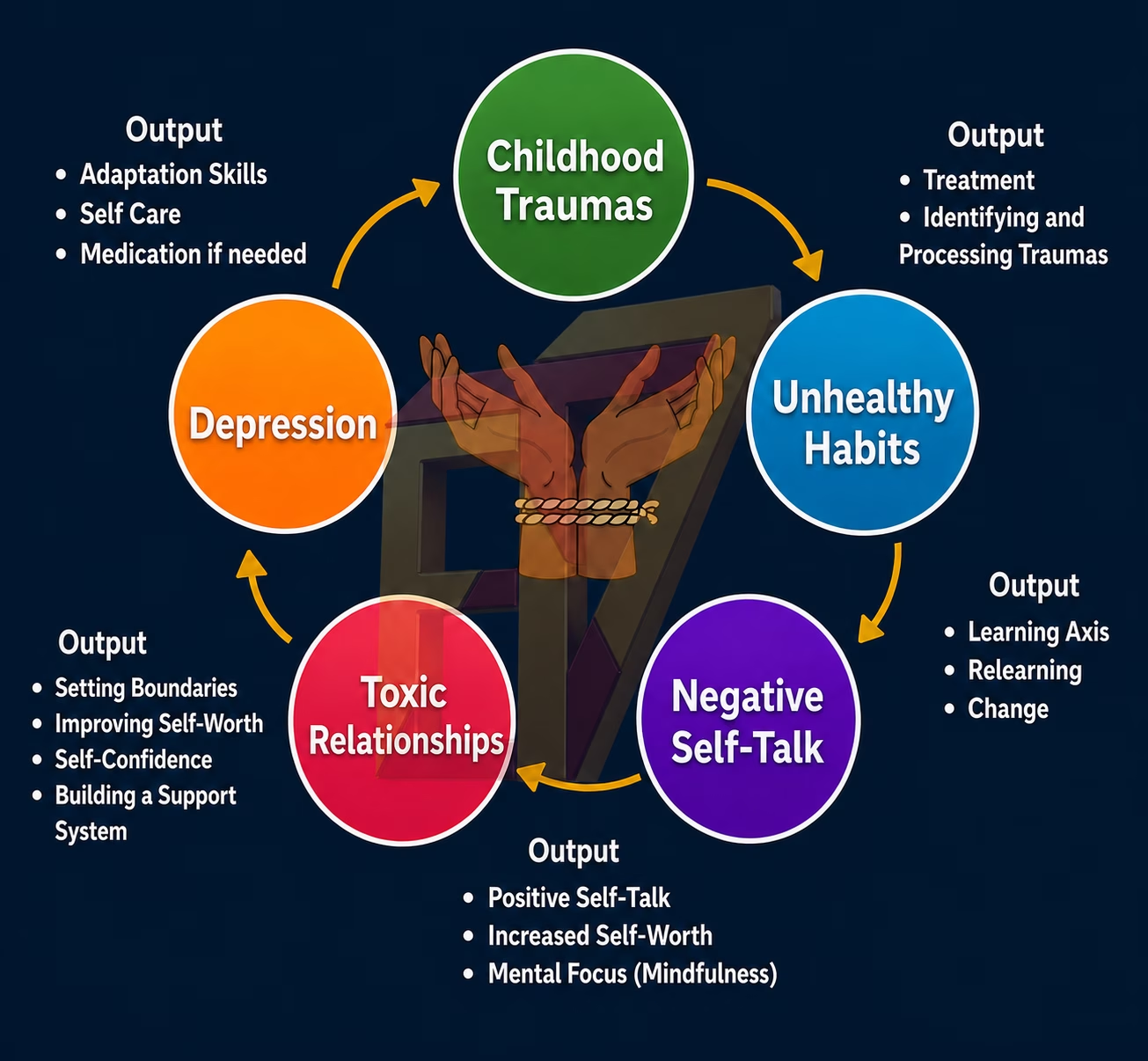
Childhood trauma represents the starting point of this cycle and includes painful experiences that a child may be exposed to, such as neglect, physical or psychological abuse, the loss of a parent, or living in an unstable environment. Not every difficult experience means that a child will suffer in the future, but severe or repeated trauma can leave long-term effects if it is not addressed in a healthy way.
These experiences can affect the way a person interprets the world, themselves, and others. They may contribute to the development of negative beliefs, low self-confidence, or difficulty regulating emotions, increasing the likelihood of psychological or behavioral difficulties later in life.
Childhood trauma does not determine a person's future, but it may increase the likelihood of facing psychological or behavioral challenges if it remains untreated. Psychotherapy, understanding past experiences, and building a supportive environment can help reduce the effects of trauma and develop healthier ways of dealing with emotions and stress.
Breaking the cycle begins with acknowledging the presence of childhood trauma and understanding how it affects current thoughts, emotions, and behaviors. Psychotherapy, talking with a professional, or identifying thought patterns resulting from these experiences can help gradually process their effects, build healthier beliefs, and restore a sense of safety and self-confidence.
Unhealthy habits represent the second stage of the cycle. They are behaviors that a person may use to escape painful emotions or temporarily reduce stress and pressure. They may include overeating, lack of sleep, procrastination, isolation, addiction of various kinds, or any behavior that provides temporary relief but causes harm in the long term.
These habits often do not begin with the intention of harming oneself. Instead, they may be attempts to cope with difficult emotions or painful experiences. However, repeating them can turn them into patterns of behavior that become difficult to break and may lead to health, psychological, and social problems over time.
Unhealthy habits can be changed when a person understands the reasons that drive them and then works to replace them with more beneficial behaviors. Learning new ways of responding, developing healthy habits, and creating a gradual plan for change can help break negative patterns and build a more balanced and stable lifestyle.
Unhealthy habits are not eliminated through force or willpower alone. Instead, change comes from understanding their underlying causes, stopping behaviors that no longer serve you, and gradually learning healthier habits. Every positive habit that is consistently repeated contributes to building a more balanced, healthy, and stable lifestyle.
Self-sabotage occurs when a person, consciously or unconsciously, makes decisions or engages in behaviors that prevent them from achieving their goals or reaching their full potential. It may appear in the form of procrastination, fear of success, withdrawing from opportunities, self-criticism, or repeating the same mistakes despite knowing their negative consequences.
Self-sabotage is often associated with negative beliefs formed in the past, such as feeling unworthy, fearing failure, or fearing rejection by others. Over time, this pattern can become a repeated cycle that hinders personal growth and prevents a person from achieving their goals.
Self-sabotage can be overcome by noticing negative thoughts, replacing them with more realistic and positive self-talk, working on building self-confidence, and practicing mindfulness to understand emotions before acting on them. Breaking goals down into small steps can also help reduce fear and increase the sense of achievement.
Self-sabotage can be broken by replacing negative self-talk with more realistic and positive self-talk, working on improving self-esteem, and practicing mindfulness to notice thoughts and emotions before they turn into behaviors that hinder progress. This awareness helps a person make better decisions and achieve their goals with greater confidence.
Toxic relationships are relationships that continuously cause psychological, emotional, or even physical harm, and are characterized by manipulation, humiliation, control, or a lack of mutual respect and support. A person may find themselves repeatedly entering this type of relationship as a result of past experiences or negative beliefs formed during childhood.
Remaining in a toxic relationship for a long time can lead to low self-esteem, increased anxiety and stress, and feelings of helplessness or isolation. In contrast, building healthy relationships based on respect, trust, and effective communication helps a person grow psychologically and socially.
Getting out of toxic relationships begins with setting clear boundaries that protect mental health, strengthening self-respect, and surrounding yourself with supportive people who provide encouragement and respect. Learning communication skills and distinguishing between healthy and unhealthy relationships can also help create a safer and more stable social environment.
Getting out of toxic relationships begins with setting clear boundaries that protect mental health, strengthening self-worth, and surrounding yourself with people who provide support, respect, and encouragement. Healthy relationships give a person a sense of safety, help them grow, and increase their ability to face life's challenges with confidence and stability.
Depression represents the final stage in this model. It is a psychological disorder that affects the way a person thinks, feels, behaves, and carries out daily activities. It is important to note that depression does not result from a single cause. Rather, it may arise from an interaction of biological, psychological, and social factors. Childhood trauma, unhealthy habits, and toxic relationships may increase the risk of developing depression in some people, but they are not the only causes.
A person experiencing depression may feel persistent sadness, lose interest in things they previously enjoyed, experience low energy, have difficulty concentrating, or feel worthless. When these symptoms persist for a long time and affect daily life, seeking help from a mental health professional is an important step toward recovery.
Many people can recover from depression through early diagnosis, appropriate treatment, and adherence to a treatment plan, along with paying attention to sleep, nutrition, physical activity, and receiving support from family and friends. Treatment differs from person to person, so having the condition assessed by a professional can help determine the most appropriate treatment approach.
Recovery from depression can involve seeking professional help, following appropriate treatment, and taking care of oneself through healthy sleep, balanced nutrition, physical activity, and staying connected with supportive people. Every step toward treatment and self-care can help restore psychological balance, improve quality of life, and return to daily activities more effectively.
This model illustrates how childhood trauma can contribute to the development of unhealthy habits, self-sabotaging behaviors, and toxic relationships, which may increase the risk of psychological problems such as depression in some people. However, this cycle is not an inevitable destiny. It can be broken through therapy, changing habits, strengthening self-esteem, building healthy relationships, and seeking professional support when needed. Every step toward awareness and change can help a person heal, regain control over their life, and build a healthier, more balanced, and fulfilling future.
True development begins when you stop adapting to other people's expectations and start setting your own rules. Through our training packages, we focus on liberating you from limiting patterns, boosting confidence in your decisions, and building a confident personal presence that positively impacts all areas of your life. Invest in your awareness, and turn your potential into tangible results.
Start Your Journey of Change Now© 2022 Copyright All rights reserved. Designed by Tarik Elouahbi.